
The Rapid Capture of Mark T. After Cloned Card Atms
Mark T. bought six cloned debit cards for $480 in Monero on a darknet marketplace in November 2024. Within 15 days he faced arrest after four ATM withdrawals totaling $4,900, leading to a five-year fe
Written: · 8 min
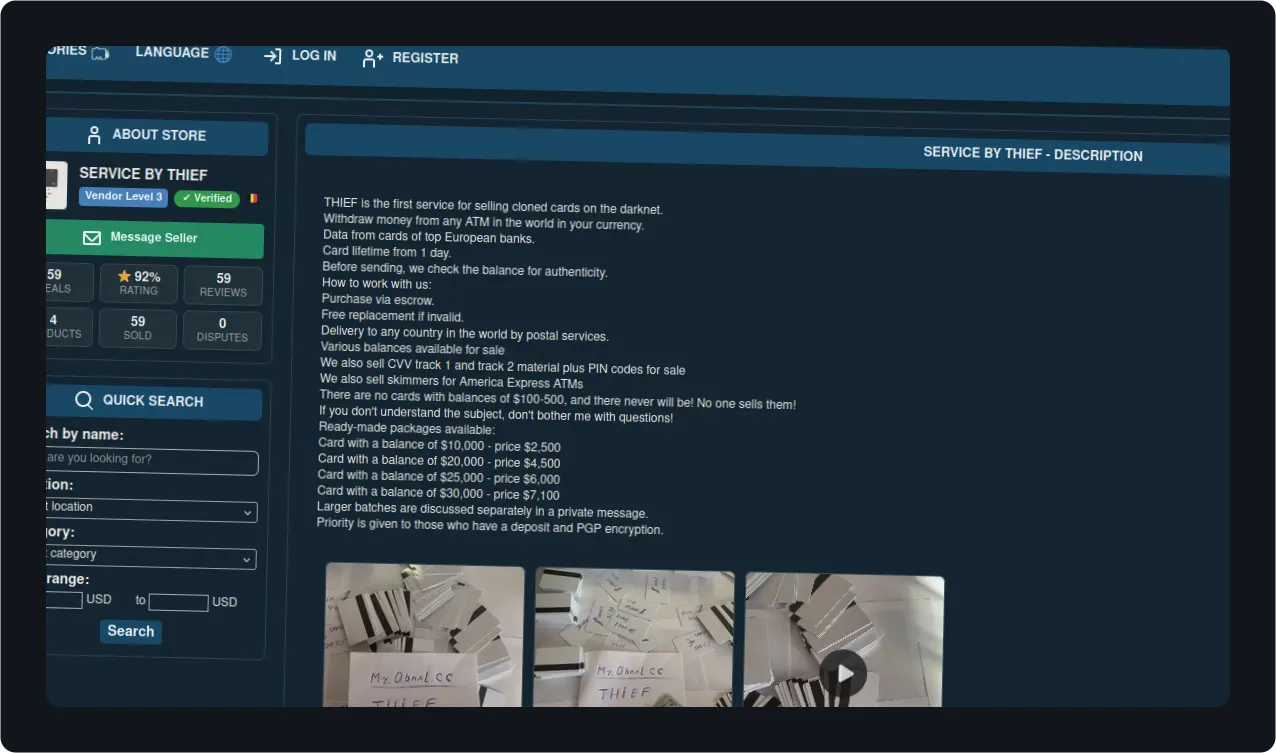
Many assume darknet purchases of cloned cards offer lasting anonymity. This case tests that claim against real investigation steps. Officials traced evidence from crypto transactions through ATM records to a suspect in Tampa Bay, Florida.
The sequence began with a simple online buy and ended in court. Every link in the chain mattered. Banks, cameras, and digital logs worked together faster than expected.
The Purchase and Initial Withdrawals
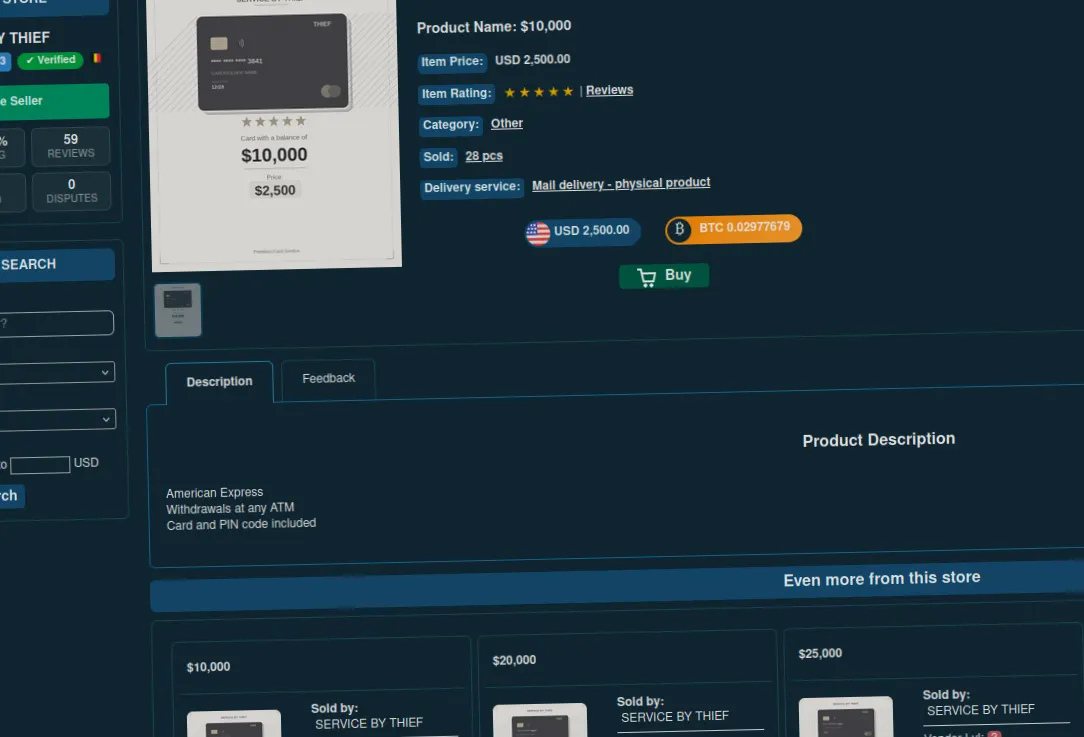
Mark T. is a 34-year-old individual living in Tampa Bay, Florida. In November 2024, he conducted a cryptocurrency transaction worth $480 on a darknet platform. This transaction allowed him to acquire six counterfeit debit cards, each with its own PIN. These cards contained stolen magnetic track data, which is commonly associated with carding schemes.
The initial phase of Mark's activities involved using three of these cards at different ATMs, resulting in total cash withdrawals amounting to $4,200. Subsequently, he attempted another withdrawal at an ATM in a Tampa Bay suburb, where he took out an additional $700. This action concluded his withdrawal attempts before he was detected.
This situation serves as a cautionary tale rather than guidance on how to obtain cloned cards. It demonstrates how quickly physical evidence can surface when digital crimes intersect with real-world actions. Many purchasers overlook the fact that ATMs also operate as surveillance tools, in addition to dispensing cash.
Modern ATMs feature sophisticated recording technology. A primary camera operates at a resolution of 1080p and often incorporates infrared capability for low-light environments. Furthermore, many machines are equipped with a secondary hidden camera that captures different angles. Transaction records meticulously log details such as time, withdrawal amount, card numbers, and ATM locations. Network logs hold essential connection data, while geolocation technology identifies the precise locations of each ATM.
The fourth ATM managed to capture clear footage of Mark without any disguise. He did not wear any form of facial covering, such as a mask, nor did he don glasses or a hat during this operation. The video recorded twenty-three seconds of his profile, which proved adequate for identification purposes.
It is vital to remain cautious against credit card skimming at every stage of ATM usage. Many individuals focus on identifying skimmers before using their cards. Nonetheless, comparable caution is often lacking during cash withdrawals, even though surveillance cameras are present. Identifying a card reader equipped with a skimmer is less relevant after one has already used a cloned card at an ATM with monitoring capabilities.
There are various protective measures available for users who insert cards into readers. Sleeves aimed at preventing credit card skimming can block certain types of scanners. However, these precautions only mitigate part of the overall risk. Online resources that display ATM skimmers can assist users in identifying potential risks associated with machines. Despite enhanced detection methods at card readers, the act of withdrawing cash remains susceptible to exploitation.
Mark made four cash withdrawals at places situated 40 miles away from his residence. Spanning two weeks, these transactions triggered bank algorithms and led to an initial alert in the financial system.
Investigation Timeline and Evidence Chain
Following reports of unauthorized transactions, an investigation into Mark's activities was quickly launched, involving individuals from Florida, Georgia, and North Carolina. Following the complaints, the respective banks promptly froze the affected cards and activated their early fraud detection systems. By the third day, the banking algorithms identified a concerning trend: multiple withdrawals made with cloned cards across various states within a brief timeframe. This finding prompted the banks to elevate the matter to their internal fraud investigation units.
On the fifth day, federal authorities focused on financial crimes took charge of the case. They began examining ATM transaction logs and requested surveillance footage from the relevant machines. By the eighth day, investigators obtained crucial video evidence from an ATM that identified Mark T. as a suspect, despite his clean criminal record. Confirmation was made regarding the location of his home, which fell within a 40-mile radius of all transactions.
On day 12, law enforcement obtained a warrant to investigate Mark's online behavior. This involved analyzing his browsing history, gathering data from his Internet Service Provider (ISP), and examining his cryptocurrency wallet transactions. The ISP records revealed connections to Tor exit nodes that aligned with the timing of the unauthorized withdrawals. A court order was also issued for the cryptocurrency exchange where Mark purchased Monero, linking his wallet to his identity through KYC information, which included uploads of his passport and a selfie. Purchases made on a darknet marketplace aligned with the timing and amounts of Monero transactions.
During a search at Mark's residence on day 14, authorities seized multiple items, which included a magnetic stripe reader and six blank plastic cards. The laptop retrieved from the property contained evidence of the Tor Browser, a history of visits to darknet marketplaces, and records of recent activity. Officers also discovered $3,200 in cash and materials related to the cards' delivery.
The following day, Mark was apprehended. During the interrogation, it was revealed by him that he had bought the six cards and withdrawn cash from four. The other two cards were non-functional since the banks had blocked those accounts. The duration from the first withdrawal to Mark's arrest was 15 days.
Although the specific website used for purchasing the cards was not disclosed in the official reports, transaction metadata connected various elements of the operation. An analysis of the relationship between Mark's Monero wallet and the exchange's KYC records traced back to him. Additionally, physical evidence corroborated the case, as the magnetic tracks on the seized cards matched data from the three victims.
Despite ongoing law enforcement efforts, dark web carding forums persist in their activities. Users frequently engage in discussions about the effectiveness of cloned cards across various online platforms. Technical forums share methods for cloning cards, while participants exchange experiences regarding skimming devices and detection techniques. While these conversations may suggest a low risk, Mark's case highlights the severe ramifications that can arise when multiple pieces of evidence come together.
Tools designed to detect credit card skimming devices provide some degree of effectiveness at gas stations and retail outlets. Adopting vigilant habits, such as visually inspecting card readers before use, can mitigate the risk of becoming a victim of skimming. Furthermore, protective sleeves for credit cards can obstruct certain overlay readers. However, these measures cannot prevent facial recognition by ATM cameras or erase transaction logs.
Key figures from the investigation include: a total of four withdrawals; an overall cash amount of $4,900; an initial purchase cost of $480; and a total duration of 15 days from the first withdrawal to the arrest. The federal sentence imposed on Mark was for 60 months. Additionally, restitution and fines amounted to $22,000, with a supervised release period of three years following his incarceration.
The website where the purchase was made stayed unnamed in official records.
Final Outcome and Observed Patterns
Mark entered a guilty plea in March 2025. Fraud charges against him were filed under 18 U.S.C. § 1029. Included were charges of money laundering, referencing 18 U.S.C. § 1957. The U.S. District Court for the Middle District of Florida imposed a federal imprisonment sentence of 60 months on him. Following his prison term, supervised release will last for three years. The court also mandated that three individuals affected by his actions receive $22,000 in fines and restitution.
It was emphasized during sentencing that Mark acted as a final purchaser, not the primary operator in the fraudulent scheme. This distinction influenced his legal accountability. Typically, those higher up in carding operations manage to avoid capture for long periods. Law enforcement continues to target these upper-level participants, but the process is often slow.
This instance highlights that utilizing cryptocurrency for anonymity does not eliminate links to illegal activities. Centralized trading platforms enforce Know Your Customer (KYC) regulations, which remain enforceable even when confronted with court mandates. The intervals between acquisition, delivery, and withdrawal stages produce overlapping evidence. Items collected during investigations serve as substantial proof that digital currencies cannot completely obscure identities. Surveillance footage from ATMs ties individuals to specific cash withdrawal incidents. Anti-fraud technologies can detect geographic trends and speed metrics before human analysis takes place. The convergence of these factors transformed a 72-hour operational window into a resolved legal matter within just 15 days.
Experts in security emphasize the necessity of multiple layers of defense. Financial institutions utilize machine learning algorithms to quickly identify irregularities. Aligning video timestamps with transaction records can significantly speed up identification. Prompt user reporting is essential in minimizing losses once fraud is detected. Education on recognizing credit card skimmers at terminals helps prevent initial breaches. However, increased caution is crucial during cash withdrawals, as cameras may capture footage even if skimmers are absent. Mark did not fully consider this critical final step. The documented evidence indicates that each mistake contributed to the ultimate outcome.
Common questions
- How long did the investigation take from first withdrawal to arrest?
Fifteen days passed between the initial withdrawal and custody. Banks flagged patterns by day three. Video identification occurred on day eight. Digital warrants and the search followed quickly after.
- What evidence linked the Monero payment to the buyer?
Mark bought Monero through a centralized exchange that required KYC verification with passport and selfie. Court orders obtained the exchange records. The exact amount and date matched the darknet marketplace transaction.
- Why did geographic clustering of withdrawals matter?
All four ATMs lay inside a 40-mile radius of Mark's home. Anti-fraud systems automatically raise flags for such tight location patterns across multiple states in a short period.
- Did credit card skimming protection tools prevent the arrest?
No protection devices addressed the ATM cameras or transaction logs. Credit card skimmer protector sleeves and detectors target reader overlays only. The case turned on facial video and seized physical cards.